
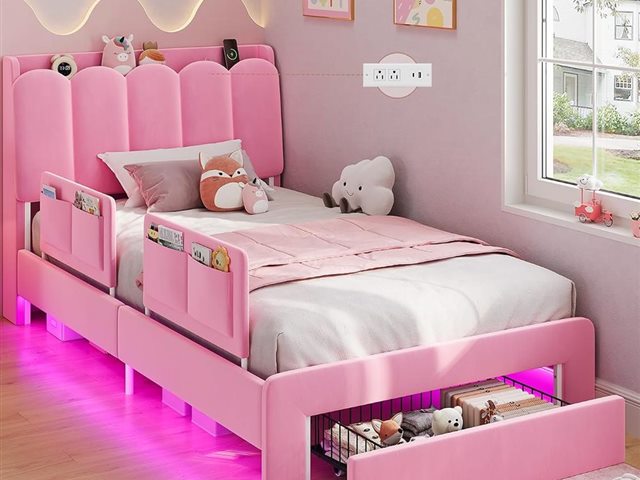
Official DICTAC Store
Furniture that gives small rooms room to breathe.
Beds, bunks and storage with the desk, drawers and lighting built in — so a single footprint does the work of three pieces of furniture.
Shop the collection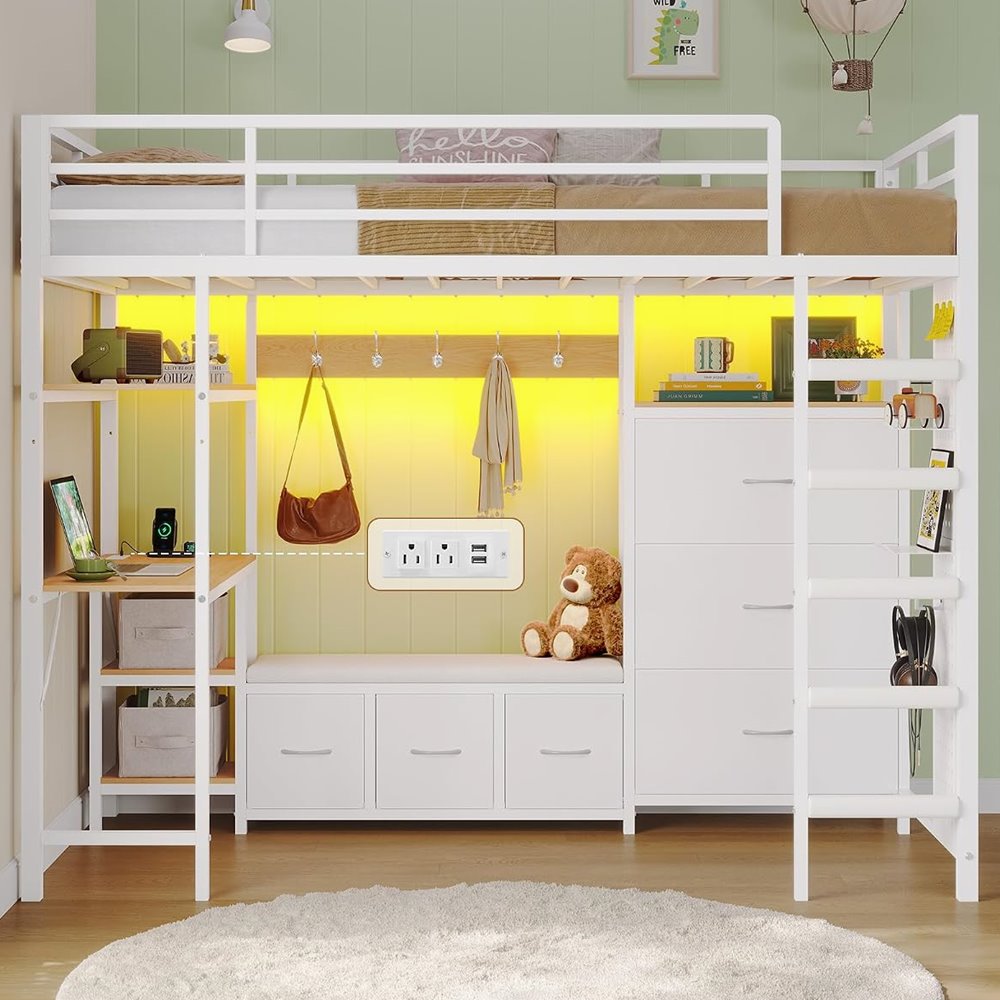
Why DICTAC
Designed since 2015 to earn its floor space.
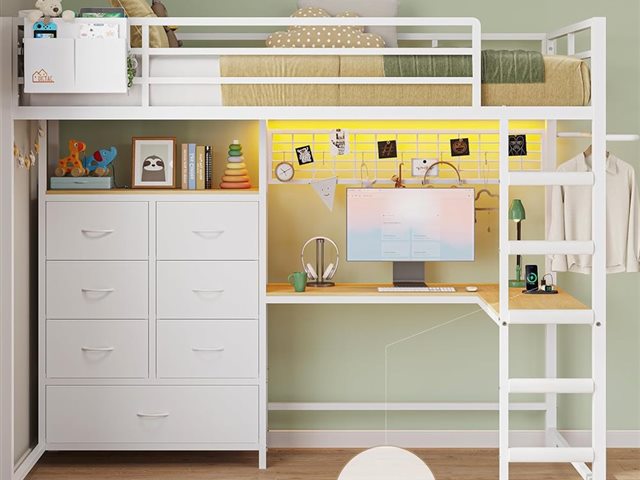
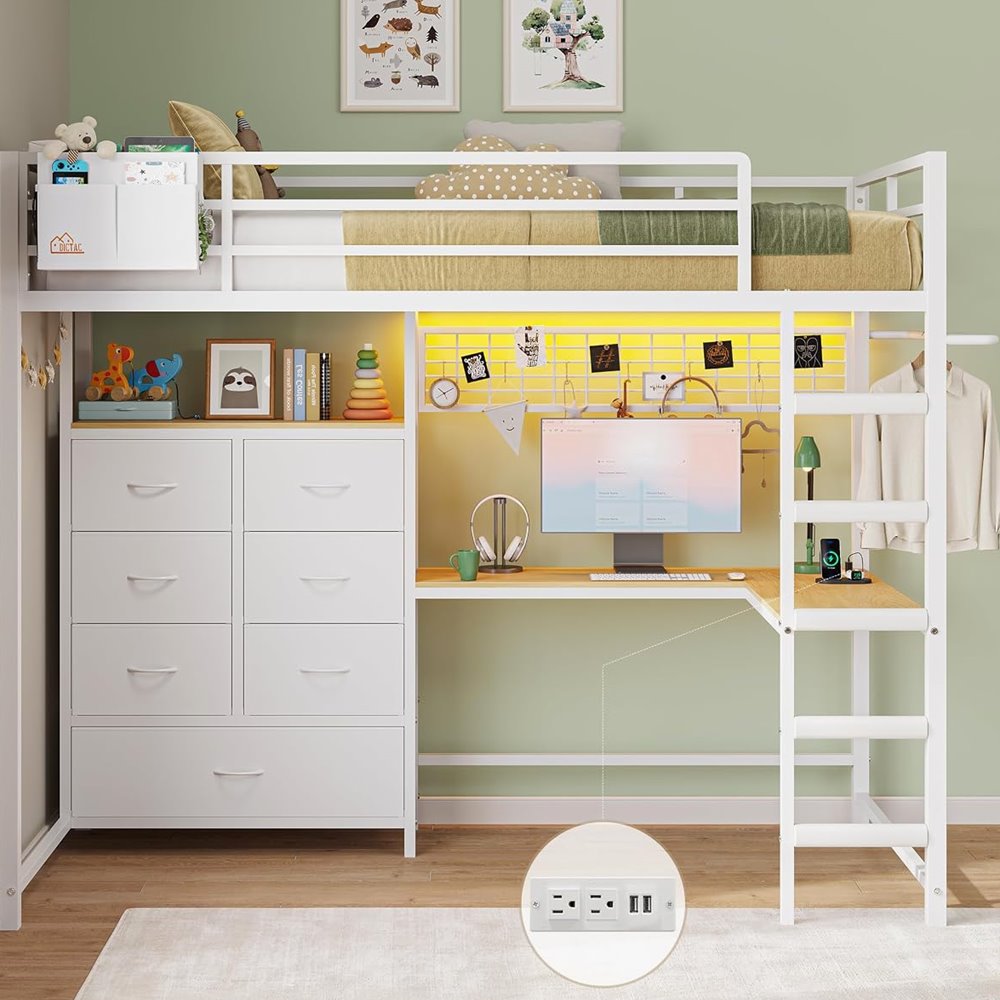
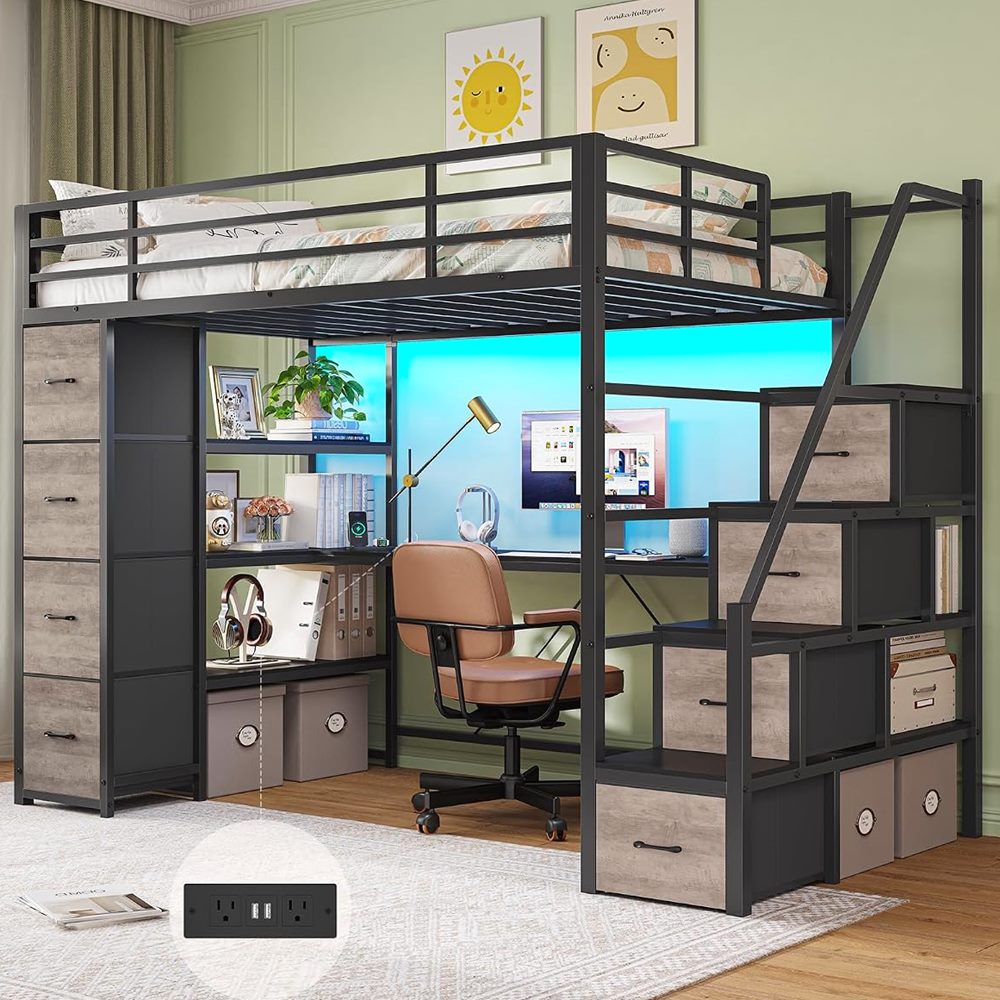
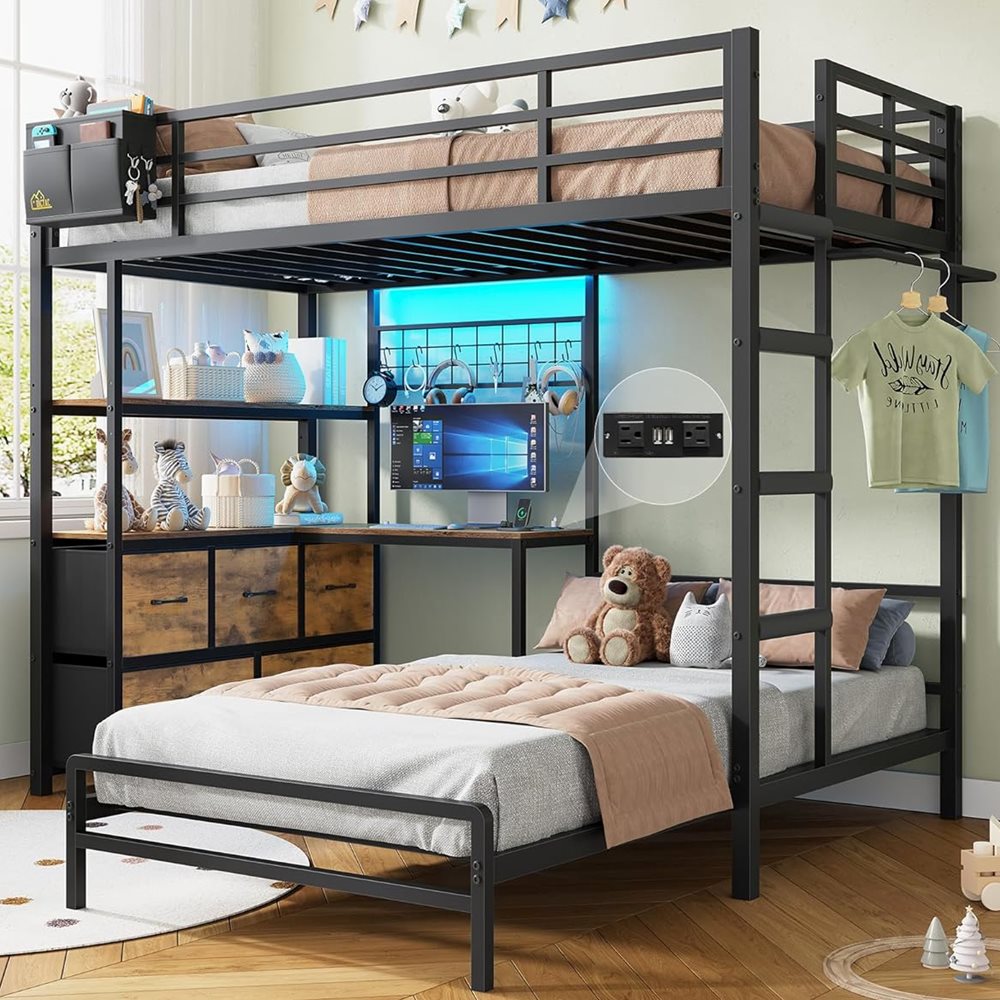
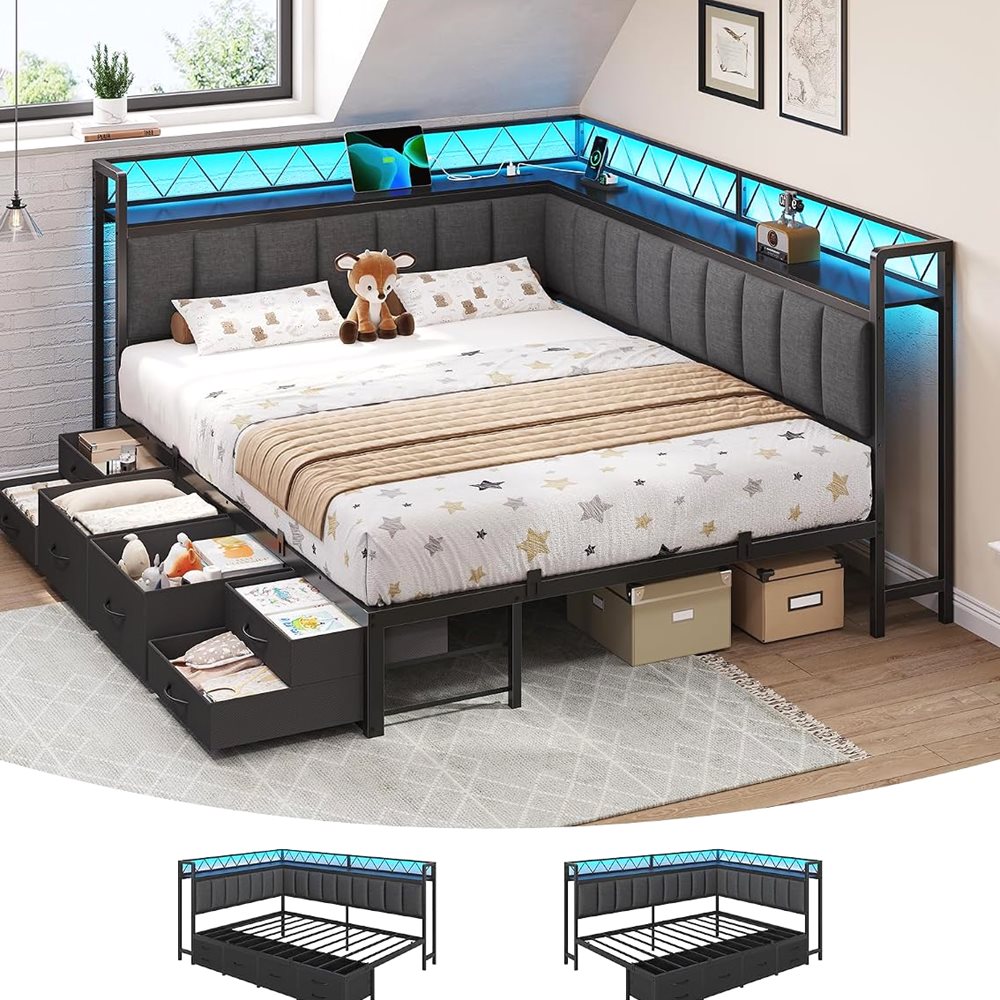
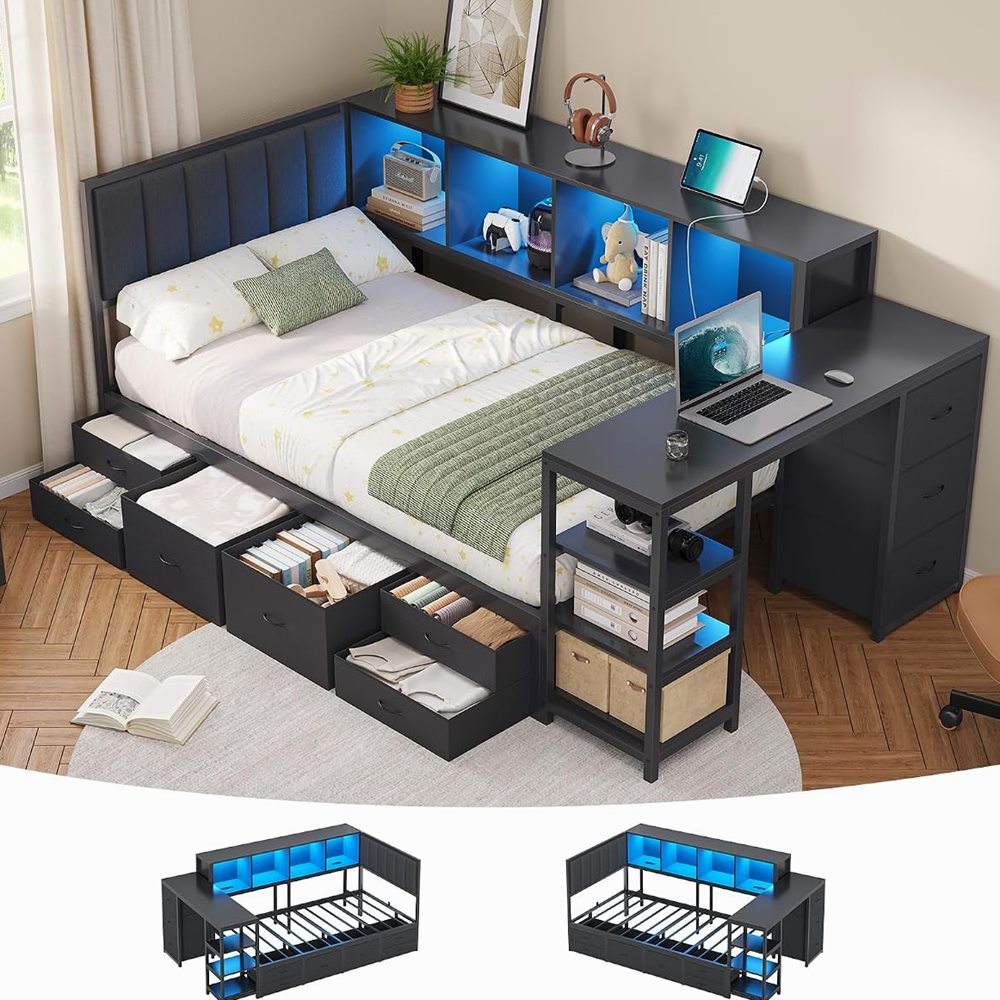
Every frame starts from one question: what else can this footprint do? That is how a twin bed ends up carrying a desk, seven drawers and a charging station — and why our storage is built to the same standard as our beds.
- Powder-coated steel frames with tested weight ratings
- Drawers, desks and shelving integrated, not bolted on as an afterthought
- LED lighting and charging worked into the furniture
- Flat-packed and shipped free across the contiguous US
The DICTAC story
We have spent the last ten years on one narrow problem: how to fit a real bed, a place to work and somewhere to put things into a room that never seems big enough. This is how the company got here, and how the furniture actually gets built.
Where it began
DICTAC started in 2015. Back then we were a handful of designers who kept running into the same complaint from friends and family: the bedroom was too small, and every piece of furniture in it only did one job. A bed was just a bed. A dresser sat in the corner and held socks. If you wanted a desk too, something had to go. The rooms were shrinking, rents were climbing, and furniture hadn't really changed to keep up.
So we started sketching beds that gave something back. The first was a plain loft frame with a desk underneath, nothing fancy, but it turned a cramped ten-by-ten room into a bedroom and a study at the same time. People asked where we bought it. That reaction told us we were onto something, and it has guided every design since. Before we commit to a new product, we still ask the same blunt question in the studio: what else can this footprint do?
What we make, and who it's for
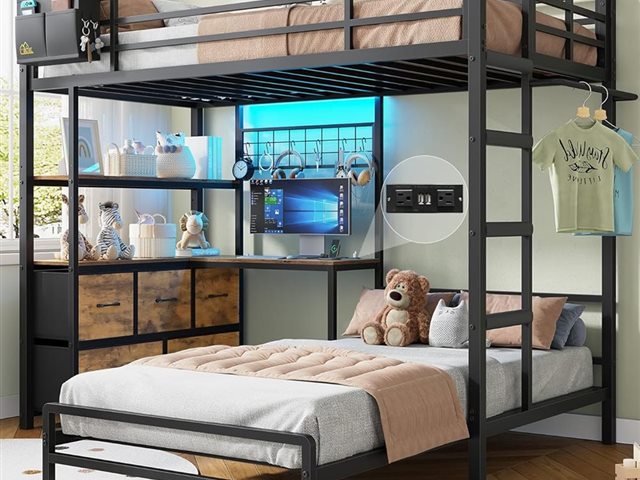
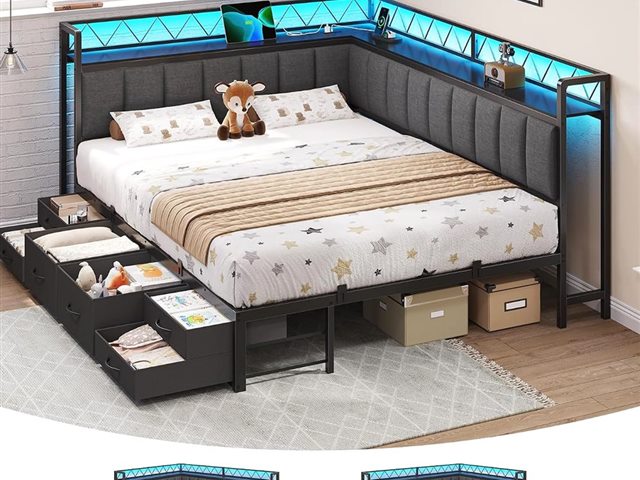
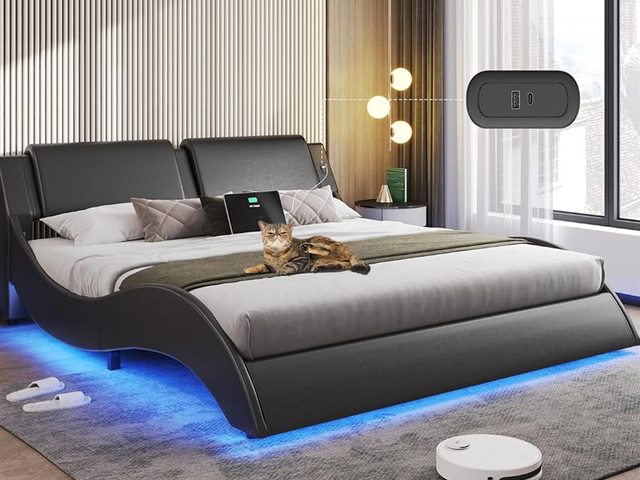
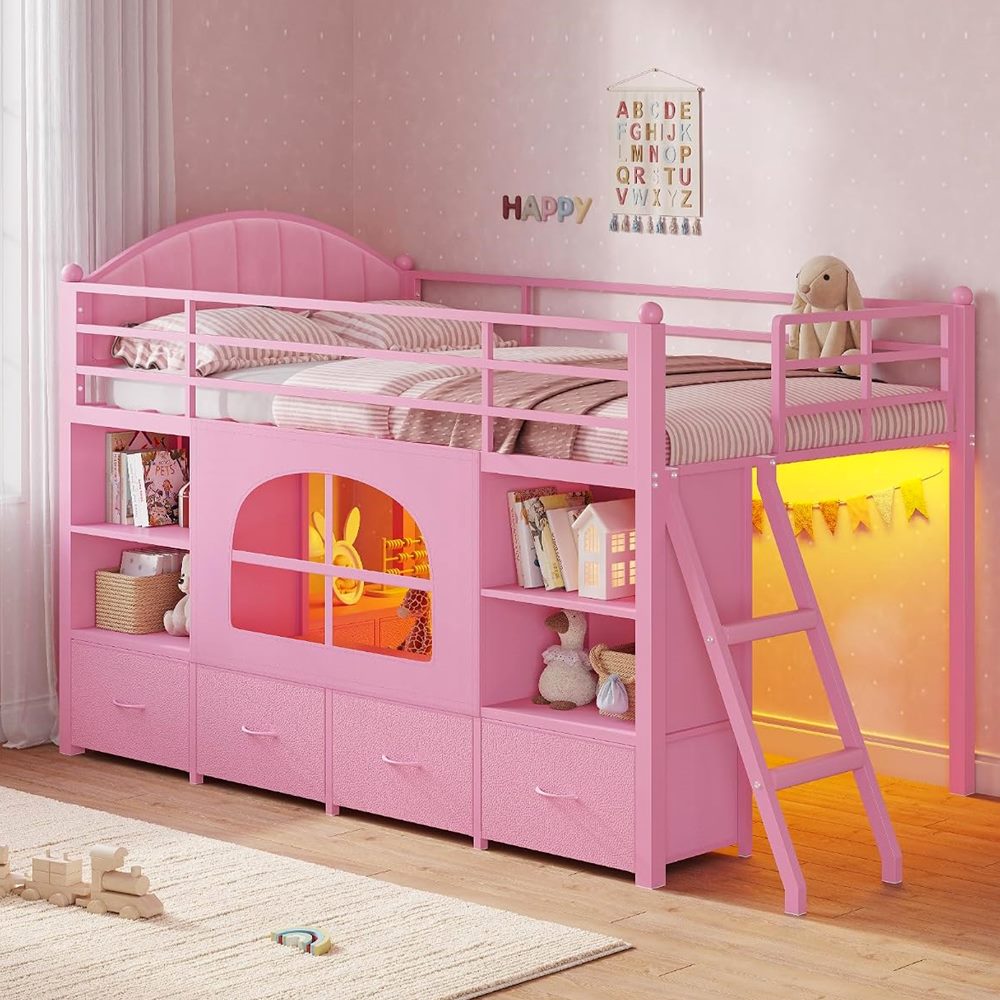
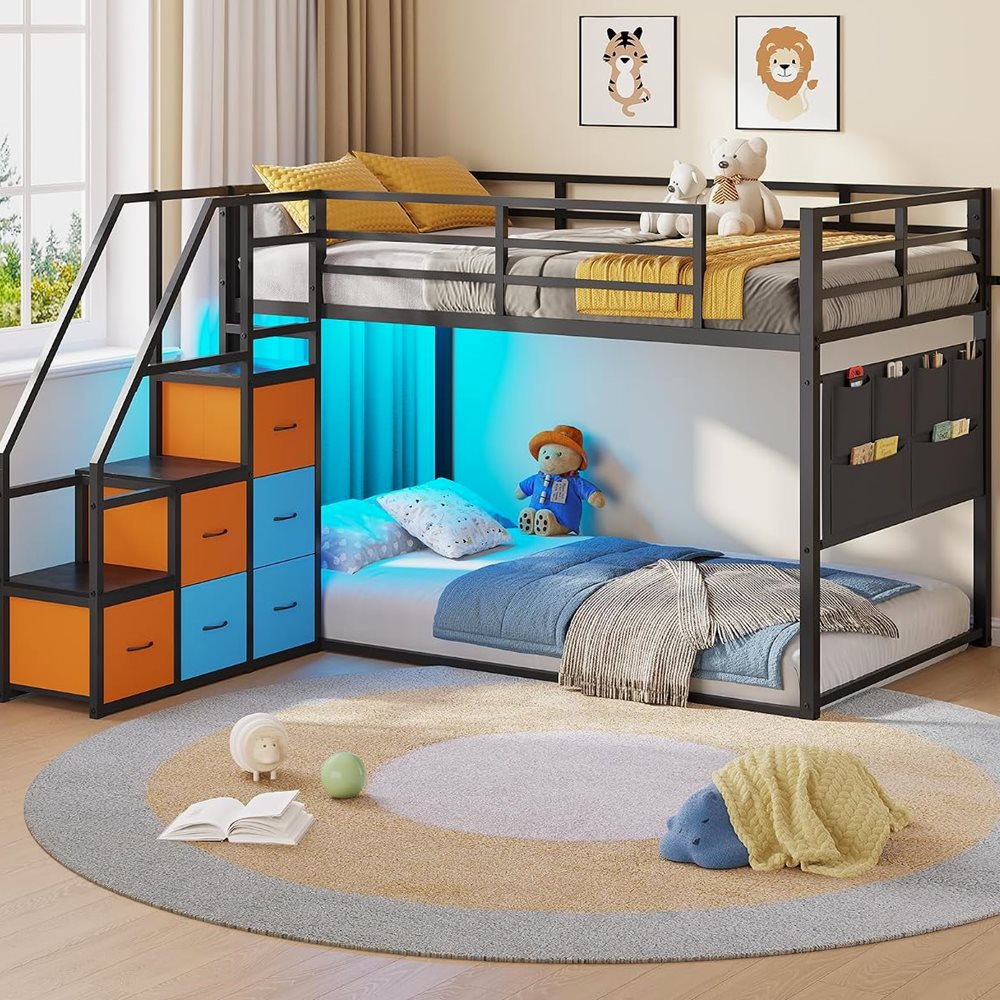
Today the range covers loft beds, bunk beds, corner frames, platform beds, kids' beds and a small line of storage. Most of it is aimed at the rooms where space is tight and money is not endless: kids sharing a bedroom, a teenager who needs a desk and a bed in the same eight square metres, a first apartment, a college dorm, a guest room that has to double as an office. A DICTAC loft bed can carry a full workstation, seven drawers and a charging station in the space a single mattress would otherwise waste. A staircase on one of our bunks stores toys inside the very steps a child climbs to reach the top bunk. None of that is decoration. Each feature is there because someone, somewhere, was short on room.
We keep the catalogue deliberately small. A short line is easier to get right than a huge one, and it means every product gets proper attention before it ships. When we add something, it is because it solves a problem the current range doesn't, not because we wanted a bigger website.
Materials come first
The bones of almost everything we sell are powder-coated steel. We chose steel over the cheaper particle-board-and-dowel construction you find in a lot of flat-pack furniture because a bed takes a beating. Kids jump on them. Drawers get slammed. A frame that flexes and creaks after six months is a frame nobody keeps. Our tube is measured and checked before it is cut, and the board we use for shelving and drawer fronts is edge-banded so it doesn't chip along the corners.
Where the furniture touches skin or holds weight, we don't cut corners. Guardrails on the kids' and loft beds are wrapped in soft upholstery so a knee or an elbow meets fabric, not a metal edge. The electrical parts we build in, the LED strips and the charging modules, are the same components across the range, so we know exactly how they behave and we can replace them if one ever fails.
How a piece is actually made
Our furniture is built in partner factories we have worked with for years, on a line set up specifically for metal-framed, flat-pack goods. It runs in four broad stages. First, material and cutting: steel tube and engineered board arrive by the pallet, the board is cut to size and edge-banded, and the tube is measured before anything is bent. Second, forming and welding: frames are bent into shape, welded at the points that carry load, and drilled for the fittings, with the load-bearing seams checked by hand rather than left to a machine.
Third comes finishing. Steel is degreased and powder-coated, which gives a surface that resists the chips and scratches a painted frame would pick up, then it is cured so the coat actually bonds. Drawers get their fabric liners and glides fitted at this stage. Fourth and last is the part we care about most: test-building and packing. Sample units from every production run are fully assembled, loaded up and checked for wobble and for drawers that don't sit right. Only then is the run flat-packed, with the tools included, the hardware bagged and numbered, and a printed instruction booklet in the box.
Quality is a habit, not a slogan
We publish weight ratings because we test to them, not because it looks good on a listing. Clasps and drawer glides are cycled before a design is signed off, so we know roughly how many thousand opens they'll take. Guardrails and anti-tip kits ship in the box with every loft and kids' bed, not as an upsell. When a batch comes off the line, a sample is pulled and built before the rest is allowed to ship. It is not glamorous work, but it is the difference between furniture that lasts a childhood and furniture that ends up on the curb.
The other half of quality is what happens after the sale. Our support team reads every message and answers within a day, and the complaints that come up more than once go straight back to the design team. A drawer front that needed re-aligning too often, a bolt that was awkward to reach during assembly, an instruction step that confused people: those notes shape the next revision. It is a short loop on purpose, and it is the main reason the newer models go together more easily than the ones we made five years ago.
Buying with confidence
Every frame ships free within the contiguous United States and is covered by a 30-night return window and a 12-month warranty against manufacturing and structural faults. If a part arrives damaged or a screw is missing, you don't need to send the whole thing back; tell us the part number from the booklet and the replacement goes out at no cost. That is the standard we would want as customers ourselves, which is ultimately the only standard worth building to.
Free US shippingContiguous states, tracked
30-night returnsRefund or replacement
Warranty included12 months on every frame
Real supportReply within 24 hours